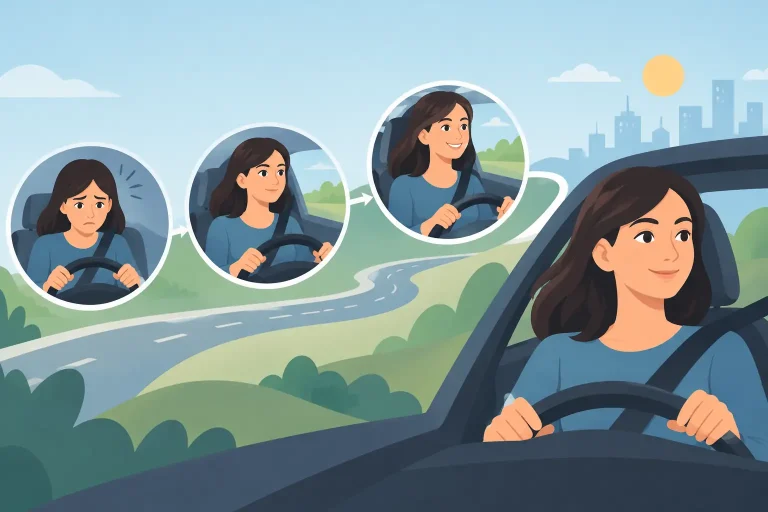

Your test result can come down to small decisions made in busy local traffic: spotting a changing speed sign, checking before moving around a parked car, or choosing a safe gap at a roundabout. This Werribee test centre guide is designed to help learner drivers arrive prepared, calm and ready to show safe driving habits – not just memorised manoeuvres.
The practical driving assessment is not about being perfect. It is about showing that you can make safe, legal and controlled decisions independently. For learners from Werribee, Hoppers Crossing, Tarneit, Truganina and Wyndham Vale, practising in a range of local conditions makes a real difference.
What to expect at the Werribee test centre
Before test day, check your booking confirmation carefully for the current test centre location, arrival time and licence requirements. Arrive early enough to settle in, use the facilities if needed and complete any paperwork without rushing. Being early is helpful; arriving excessively early can make nervous drivers sit with their anxiety for too long.
Your licence tester will explain the process and may ask you to complete a simple vehicle check. They need to know that the car is safe and legal to use. Make sure the vehicle has working indicators, brake lights, tyres in good condition, enough fuel and a clear windscreen. Adjust your seat, mirrors and steering position before the assessment begins, not while you are already moving.
The assessment normally includes general driving on local roads, intersections and changing traffic conditions. You may also be asked to complete low-speed tasks such as a kerbside stop, three-point turn or reverse parallel park. The exact route and tasks can change, so it is far more useful to learn the skills properly than to depend on a particular road.
Local conditions worth practising
Werribee roads can give learners a useful mix of quieter residential streets, shopping precinct traffic, multi-lane roads and roundabouts. That variety is valuable, but it also catches out drivers who only practise on familiar, quiet streets.
Roundabouts and busy intersections
At a roundabout, slow early, assess the traffic and enter only when there is a safe gap. Your approach speed should give you enough time to look right, check where you are going and react if another road user makes an unexpected move. Indicate correctly when leaving, but do not let signalling replace observation.
At larger intersections, avoid rushing through amber lights or turning across oncoming traffic because another driver is waiting behind you. A safe driver accepts that sometimes the right decision is to wait. Testers look for judgement, not bravado.
Speed limits that change quickly
Speed control is a common pressure point around test centres. Learners may know the general limit but miss a lower temporary, school-zone or roadwork sign. Build a habit of actively looking for signs after every turn, at the start of a new road and whenever the road environment changes.
Driving too slowly can also create problems if it is not appropriate for the conditions. Keep up with the traffic flow where it is safe and legal, while leaving enough space to stop smoothly. A steady speed shows planning and confidence.
Residential streets and parked cars
Narrow streets require patience. When passing parked vehicles, leave a sensible buffer and look well ahead for oncoming traffic. If there is not enough space for two vehicles, assess who has the safer opportunity to give way. Do not squeeze through just because you think the car will fit.
Keep scanning for people stepping out from between vehicles, children near footpaths, cyclists and car doors opening. These are everyday hazards, and responding early with gentle braking is much better than reacting late and sharply.
The driving habits assessors can see
A licence tester cannot see what you are thinking. They can see your vehicle position, speed, decisions and observation. Make your safe habits clear through consistent actions.
Use mirrors regularly, particularly before braking, changing lanes, turning, pulling over or moving away from the kerb. Before lateral movements, complete the required head check. A quick, meaningful check is better than a rushed glance that does not actually identify what is beside you.
Maintain a safe following distance. If the vehicle ahead brakes suddenly, you should have enough room to stop without panic. In wet weather, darkness or heavier traffic, increase that gap. Conditions matter more than a fixed number of metres.
When turning, position your car correctly and avoid cutting corners. Keep your steering smooth, brake progressively and accelerate only when the vehicle is straight and the path is clear. These fundamentals are especially important when nerves make drivers rush.
Parking and low-speed manoeuvres
Parking tasks often feel bigger than they are because they happen at low speed with plenty of time to think. The key is observation, control and a willingness to correct safely when needed.
For a reverse parallel park, begin with a safe approach and check for traffic, pedestrians and cyclists before stopping. Use slow clutch and brake control, look through the rear window when reversing and keep checking around the vehicle. If your first position is not ideal, a calm correction may be safer than forcing the car into the space.
During a three-point turn, choose a location with clear visibility and enough room. Check carefully before each movement, including the final drive away. Avoid focusing only on steering. The task is an observation exercise as much as a vehicle-control exercise.
If you make a mistake
One minor error does not automatically end your assessment. Missing a gear, needing an extra parking adjustment or taking a moment to reset can happen. What matters is how you respond. Stay composed, correct the issue safely and continue concentrating on the next decision.
A more serious issue is one that creates danger, such as failing to give way, ignoring a red light, speeding significantly or requiring the tester to intervene. The best protection against these errors is not last-minute route practice. It is developing a reliable routine for scanning, planning and controlling the car.
A practical test-day routine
The night before, confirm your booking details and organise your learner permit, glasses or contact lenses if required, and any other documents listed in your confirmation. Choose comfortable footwear that lets you feel the pedals properly. Avoid new shoes, heavy boots or anything that could slip.
On the day, eat something light, drink water and allow time for traffic. Before the test, take a few slow breaths and remind yourself to drive the way you have practised. You do not need to impress anyone with fast decisions. You need to show calm, safe decisions.
If possible, have a short warm-up drive before the assessment. Use it to settle your steering, braking and mirror routine, not to cram complicated manoeuvres. A test-day lesson and mock assessment can be particularly useful for nervous learners, adult beginners and international licence holders who need to understand Victorian expectations. At Victest Driving School, this preparation focuses on real driving confidence as well as assessment readiness.
Prepare for the roads, not a memorised route
Local familiarity can help, especially when it teaches you how to read Werribee traffic patterns and common road layouts. But relying on a memorised test route can leave you unsettled as soon as the tester takes a different turn.
Practise at different times of day, in light rain if conditions are safe, and on roads you do not know well. Ask your instructor or supervising driver to give clear directions without warning, then focus on planning ahead. This is close to the skill you will use during the assessment and after you gain your licence.
The best way to use this Werribee test centre guide is to turn each point into a driving habit before test day. Give yourself enough practice, accept feedback without judgement and arrive knowing that safe, steady driving is the goal. That confidence will serve you long after the assessment is over.