Your first time in the driver’s seat can feel bigger than it sounds. For many learners, a guide to first driving lesson expectations is not really about the car – it is about settling nerves, knowing what will happen, and feeling that you will not be judged for making beginner mistakes.
That is completely normal. Whether you are a teenager starting out, an adult learner who has put it off for years, or someone converting to a Victorian licence, the first lesson is usually much calmer than you imagine. A good instructor is not expecting perfection. They are there to help you feel safe, understand the basics, and start building habits that will stay with you well beyond the test.
What this guide to first driving lesson expectations covers
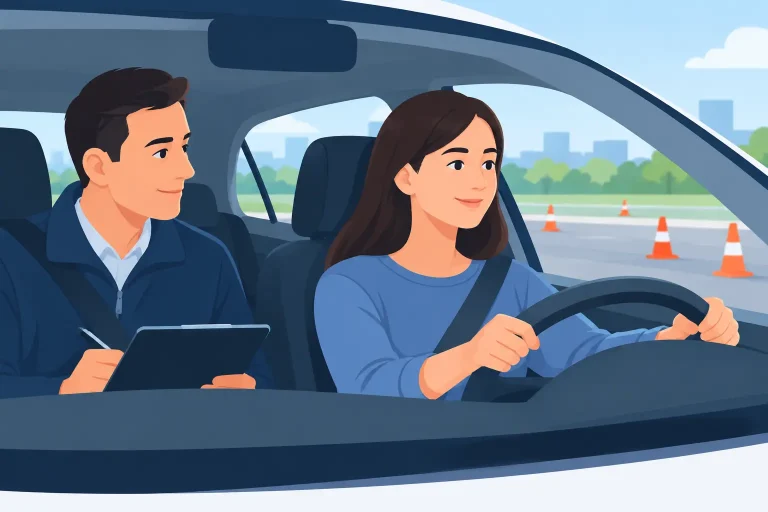
The first lesson is usually about orientation, not pressure. You are getting used to the car, learning how the controls work, and understanding how to move off, steer, brake smoothly, and stop safely. In quieter local streets around Melbourne’s western suburbs, that often means taking things one step at a time rather than being sent straight into heavy traffic.
Most learners are surprised by how much of the lesson happens before the car properly gets moving. Seat position, mirrors, steering grip, indicators, brake control, and basic observation matter from the start. These small habits make a big difference later when you begin lane changes, roundabouts, parking, and test preparation.
If you are feeling nervous, remember this – your first lesson is not a test. It is a starting point. A patient instructor will assess your confidence, explain things clearly, and adjust the lesson to suit your level.
What to bring to your first lesson
Keep it simple. Bring your learner permit if required for your lesson, wear comfortable shoes with a thin sole, and make sure you have had some water. Thongs, heavy work boots, or anything that makes pedal control awkward can make the lesson harder than it needs to be.
It also helps to come rested. If you have skipped food, rushed from school, or arrived already stressed, everything can feel more intense. A first lesson takes concentration, and being physically settled makes a genuine difference.
If English is not your first language or you are converting from an overseas licence, let your instructor know beforehand. That gives them a chance to explain local road rules clearly and work at a pace that feels manageable.
What happens in the car before you start driving
A calm start sets the tone for the whole lesson. Before moving off, your instructor will usually talk you through adjusting the seat so you can comfortably reach the pedals, setting the mirrors, and understanding the main controls. That includes the indicators, steering wheel, brake, accelerator, handbrake, and gears if relevant.
You may also cover a basic cockpit drill and a simple safety check. That can feel like a lot at first, but you are not expected to memorise everything instantly. Early lessons are about repetition. The more often you hear and do the same steps, the more natural they become.
This is also the stage where questions matter. If you are unsure what a control does or when to check mirrors, ask. Learners often stay quiet because they do not want to look unprepared, but asking questions usually helps you progress faster.
Your first moves on the road
Once you are ready, the first part of the drive will normally be straightforward. Instructors often begin in a quiet street so you can focus on the basics without too much traffic pressure. You may practise moving off smoothly, keeping the car centred in the lane, steering around gentle bends, and braking with control.
For many beginners, steering is the first challenge. The car can feel wider than expected, and learners sometimes look too close in front of the bonnet instead of further ahead. That is common. Looking further down the road usually helps with both steering and confidence.
Speed control is another early learning point. Some beginners drive too slowly because they are nervous, while others accidentally press too much on the accelerator. Neither means you are a bad driver. It simply means you are new, and your instructor will help you build better pedal control over time.
Common first lesson nerves and how to handle them
A good guide to first driving lesson nerves should say this clearly – being anxious does not mean you are not ready to learn. It just means the experience matters to you.
Some learners worry they will stall, forget a mirror check, or turn the wrong way. Others are more concerned about looking silly in front of the instructor. In reality, instructors see beginner errors every day. Rolling too gently, braking too late, holding the wheel too tightly, or forgetting an indicator are all teachable issues.
What helps most is to focus on one instruction at a time. Do not try to drive the whole lesson in your head before it happens. Listen, respond, and let the lesson unfold step by step. If you make a mistake, treat it as feedback rather than failure.
Breathing properly helps more than people think. Nervous learners often hold tension in their shoulders and hands, which can make steering jerky. If you notice yourself gripping the wheel hard, relax your shoulders, breathe out, and reset.
How instructors adapt the lesson to different learners
Not every beginner starts from the same place. A teenager with no driving experience needs something different from an adult who has practised in a car park, and both are different again from an international driver adjusting to Victorian road rules.
That is why one-on-one instruction matters. Some learners need more time on basic vehicle control. Others are comfortable moving the car but need support with observation, roundabouts, or local road positioning. Nervous learners often do best with calm repetition and clear explanations rather than too much information all at once.
In Melbourne’s western suburbs, local familiarity can also help. Learning in areas such as Tarneit, Werribee, Hoppers Crossing, Truganina, Point Cook or Deer Park means the lesson can be shaped around real road conditions you are likely to face again. That makes progress feel more practical and less abstract.
What you should not expect from the first lesson
You do not need to master everything in one session. You are unlikely to cover every skill, and that is fine. Parking, busy intersections, lane changes, and complex traffic situations often come later once the basics are more settled.
You also should not expect yourself to feel instantly confident. Confidence usually comes after repeated lessons, not before them. The goal of the first lesson is not to turn you into a polished driver in an hour. The goal is to build a safe foundation.
That foundation matters because rushed learning often creates poor habits. A learner who tries to move too quickly may struggle later with mirror checks, gap selection, or speed judgement. Taking time early usually leads to stronger results later, including better test readiness.
How to get the most from your first lesson
Try to treat the lesson as the beginning of a process rather than a single performance. If something feels difficult, make a mental note and discuss it at the end. That gives your instructor a clearer idea of what to work on next.
It also helps to reflect after the lesson while it is still fresh. Think about what felt comfortable, what felt unfamiliar, and which instructions made the biggest difference. Even a short conversation afterwards can improve your second lesson because it turns vague nerves into specific goals.
If you plan to continue learning, consistency usually beats long gaps. Regular lessons help you retain skills, especially in the early stages when steering, braking, and observation still require a lot of conscious effort. For learners who want calm, structured progress, that steady approach often works better than waiting until test time to get serious.
Forhade Khan and the team at Victest Driving School see this often with beginners and nervous drivers across the western suburbs. When lessons are patient, local, and structured, learners usually settle faster and build real confidence instead of just trying to get through the hour.
After the lesson – what progress really looks like
Many learners finish their first drive and immediately think about what went wrong. They remember the rough brake, the late indicator, or the moment they drifted slightly in the lane. What they miss is the bigger picture – they sat in the driver’s seat, followed instructions, and safely completed tasks they had never done before.
That is real progress. Safe driving is built through repetition, correction, and practice. It is rarely neat in the beginning. The learners who improve most are usually not the ones who start perfectly. They are the ones who keep showing up, stay teachable, and allow their confidence to grow step by step.
If your first lesson is coming up, aim for prepared, not perfect. Bring your permit, wear suitable shoes, listen carefully, and give yourself permission to be new at this. The road gets easier once the first lesson is behind you.